
Business Leaders Have Platform Power. Silence Is Still a Choice.
Reid Hoffman's call to action and what it means for the business community
Reid Hoffman published a piece this week arguing that business leaders have spent too long sitting on the sidelines.
His core point: Leaders in business have economic power, social capital, and platform reach. Choosing not to use that power isn't neutrality. It's still a choice.
This isn't a new argument. But Hoffman's framing cuts through the usual noise: "Hope without action is not a strategy."
The governance parallel is clear.
When a board member stays silent while watching value destruction, we don't call that neutrality. We call it a failure of fiduciary duty.
The same principle applies to civic engagement. Business leaders who built companies, created jobs, and shaped industries have standing to speak on how our governing institutions function. Opting out doesn't make you apolitical. It makes you absent.
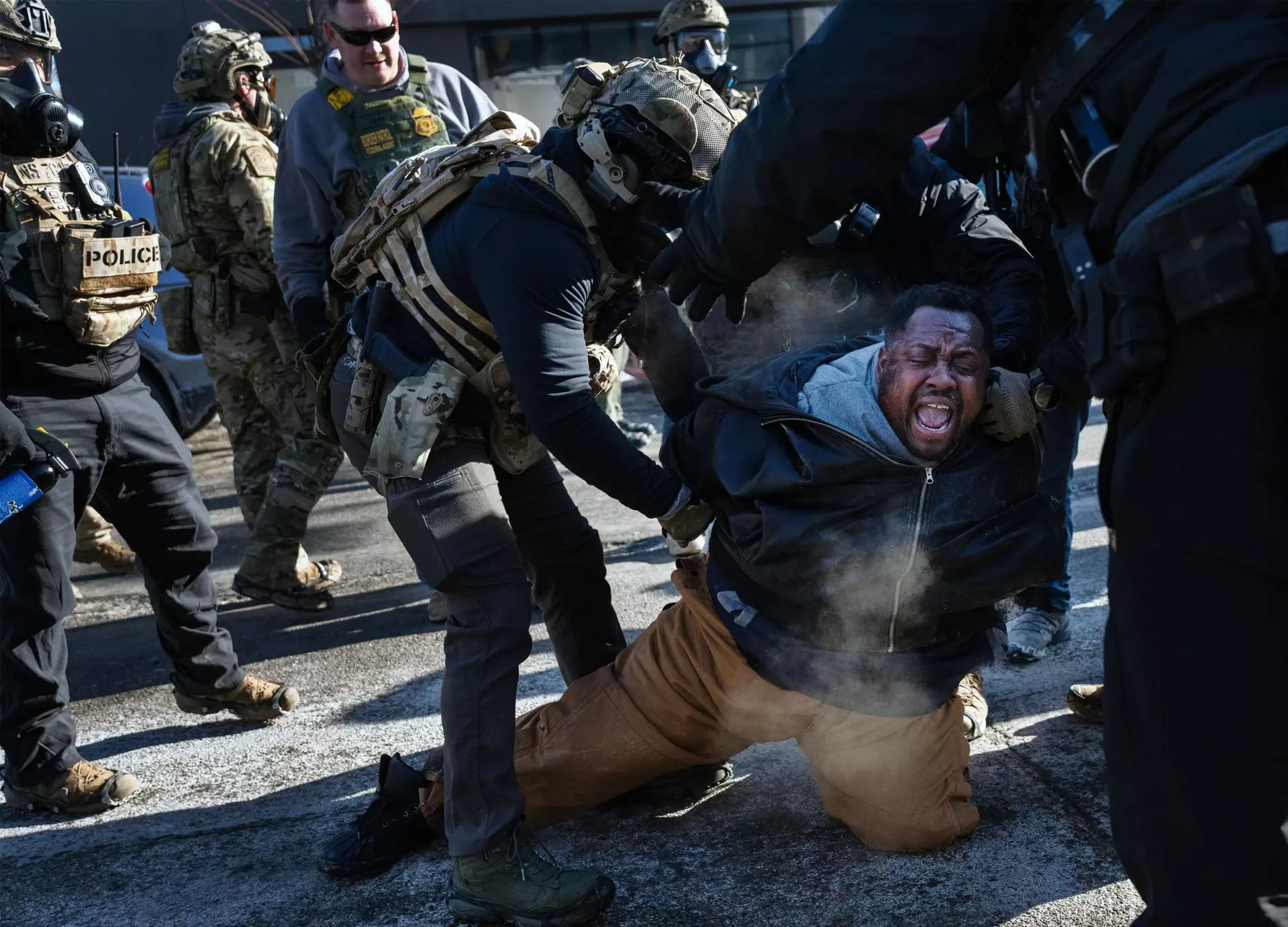
What this means for business leaders
Your voice carries weight. Employees, investors, customers, and communities look to business leaders for signals. Silence sends one too.
Civic health is a business issue. Regulatory uncertainty, institutional instability, and erosion of norms affect capital allocation, talent retention, and long-term planning. This isn't abstract. It shows up on P&Ls.
Engagement doesn't require partisanship. Speaking about governance, institutional integrity, and structural reform isn't picking a side. It's advocating for the conditions that allow markets and communities to function. Learn more about effective corporate civic engagement.
Hoffman's piece is worth reading in full. But the takeaway is simple: Business leaders have more leverage than they're using. And the cost of inaction is compounding.