What Tariff Whiplash Looks Like Inside a Company—
This Week in Wisconsin
How tariff uncertainty is reshaping business operations, and why one CEO is going on the record.
American companies are built to manage risk. They model scenarios, hedge exposure, diversify supply chains. What they cannot manage is a policy environment where the rules change weekly.
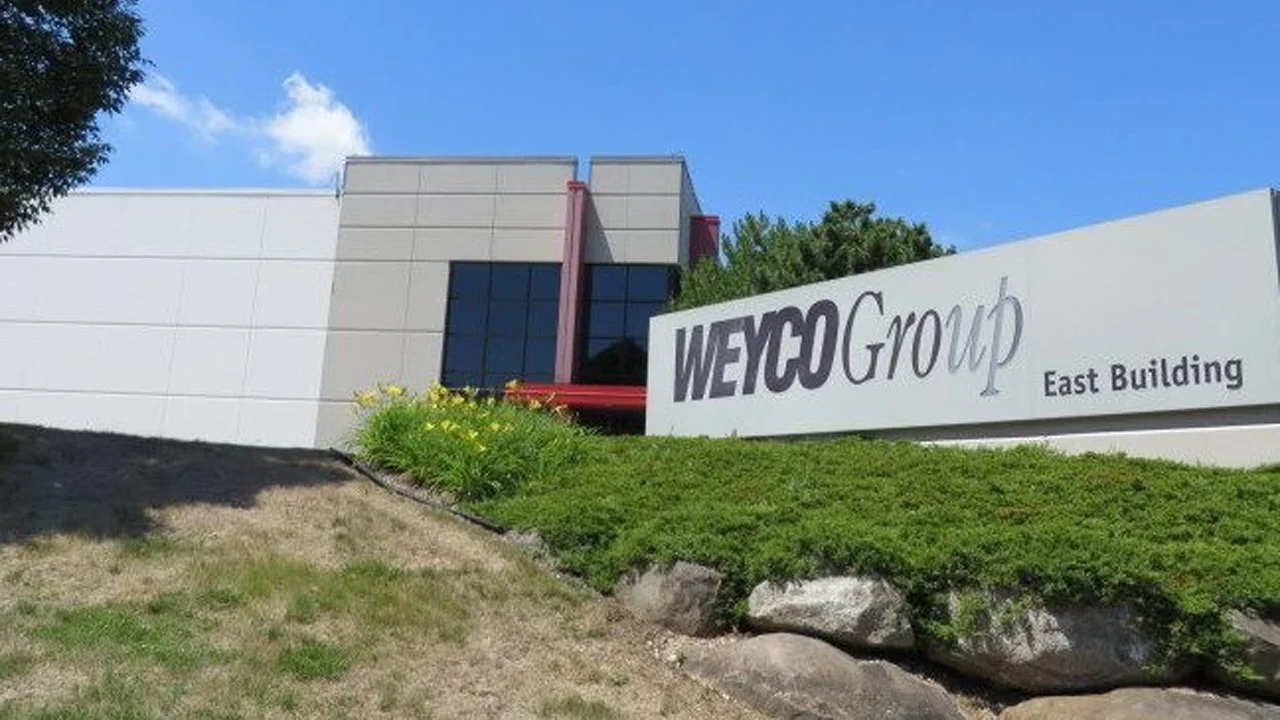
That is the situation Tom Florsheim, Chairman and CEO of Weyco Group, described this week in the Milwaukee Journal Sentinel. Weyco—a Wisconsin-based footwear company with roots going back over a century—paid millions of dollars in tariffs in 2025. But Florsheim made clear that the dollar figure was only part of the problem. The deeper cost was the constant shifting: pricing became guesswork, long-term planning broke down, and leadership time was diverted from growth to damage control.
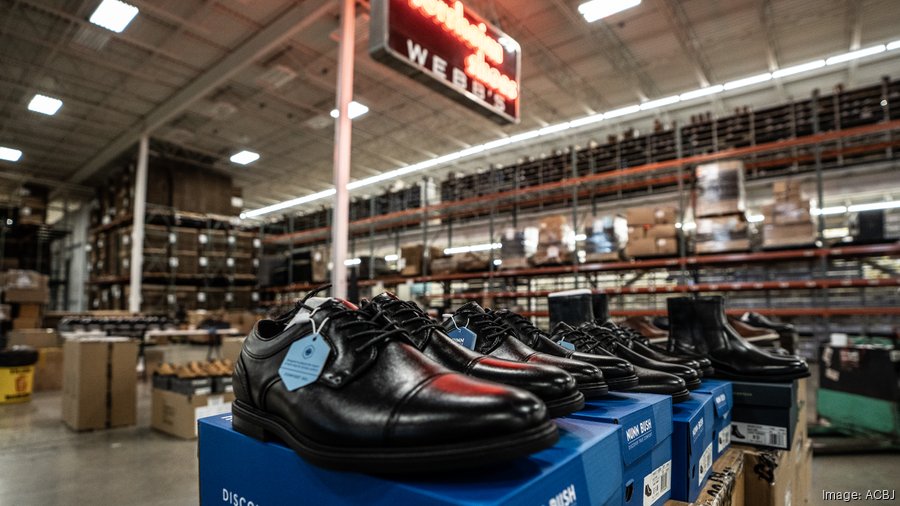
Weyco Group's packaging line in Wisconsin. Photo: Milwaukee Journal Sentinel
"It really threw our whole business model off. Businesses like ours need certainty."
— Tom Florsheim, Chairman & CEO, Weyco Group
The Business Case Against Policy by Improvisation
When tariff rates change month to month, companies face a cascading set of operational problems that have nothing to do with ideology.
-
Pricing collapses.
A manufacturer quoting prices to wholesale customers in January cannot honor those quotes if the duty rate shifts in March. Florsheim has described basic business functions like quoting pricing to customers as "not possible" in this environment. -
Capital allocation freezes.
According to Leadership Now's October 2025 Harris Poll, 50% of senior business leaders reported adjusting investments and operations in response to policy uncertainty. That is not anxiety—it is reallocation of capital away from growth. -
Supply chains contort.
Weyco rushed over a million shoes into the U.S. ahead of a China tariff hike, rerouted inventory through a Montreal distribution center, and shifted sourcing across multiple countries—not because the market demanded it, but because policy demanded it. -
Leadership bandwidth shrinks.
Every hour a CEO spends war-gaming the next tariff announcement is an hour not spent on hiring, product development, or market expansion.
None of this is theoretical. These are operational realities described by executives running real companies with real payrolls.
Wisconsin Companies Are Taking This to Court
More than 1,000 companies globally have filed suits challenging emergency tariff authority.
Weyco is one of at least ten Wisconsin-based companies—including Kohl's and Milwaukee Tool—that filed lawsuits in the U.S. Court of International Trade seeking tariff refunds. Their argument: the administration's use of emergency powers to impose sweeping tariffs exceeded its legal authority and imposed costs on American businesses that were never authorized by Congress.

Kohl's is among the Wisconsin companies challenging tariff authority in court. Photo: BizTimes
These cases are part of a much larger wave. More than 1,000 companies globally have filed similar suits, and the U.S. Supreme Court has begun hearing arguments on the underlying legal question of whether IEEPA—a 1977 statute intended for national emergencies—can be used as a broad tariff authority.
"It's nothing more than recovering money that was collected that's not been determined to be legal, and I believe the government will return that."
— Tom Florsheim
This Is a Competitiveness Argument, Not a Political One
84% of senior executives say the political and legal climate is directly affecting their business operations.
Leadership Now's member network includes executives across industries and across the political spectrum. What unites them is a shared understanding: long-term economic growth depends on a policy environment that is predictable, lawful, and grounded in constitutional process.
When 84% of senior executives say the political and legal climate is directly affecting their business operations—as Leadership Now's Harris Poll found—that is not a partisan data point. It cuts across industries, regions, and party affiliations.
The tariff debate is one example of a broader pattern. When major economic decisions are made by executive decree rather than through congressional deliberation, companies lose the ability to plan. When the rules change faster than a supply chain can adapt, American competitiveness suffers. And when business leaders stay silent about it, the problem compounds.
Why Leaders Speaking Out Matters
Tom Florsheim did not have to go on the record. Most executives in his position choose not to—whether out of concern about regulatory retaliation, customer backlash, or simply wanting to avoid the spotlight. But Florsheim, along with other Leadership Now members, has consistently chosen to describe what the tariff environment actually looks like from inside a company that manufactures, imports, and employs people in the United States.
That is the kind of leadership Leadership Now exists to support and amplify. Not because we take a position on any specific trade policy, but because we believe the constitutional guardrails that govern how policy is made are the foundation of a competitive economy.
When those guardrails weaken, every business in America absorbs the cost.